Featured

Philodemus’ Poetry

Text: love poetry (epigrams)

Author: Philodemus of Gadara

Date: mid 1st c. BCE

Language: Greek

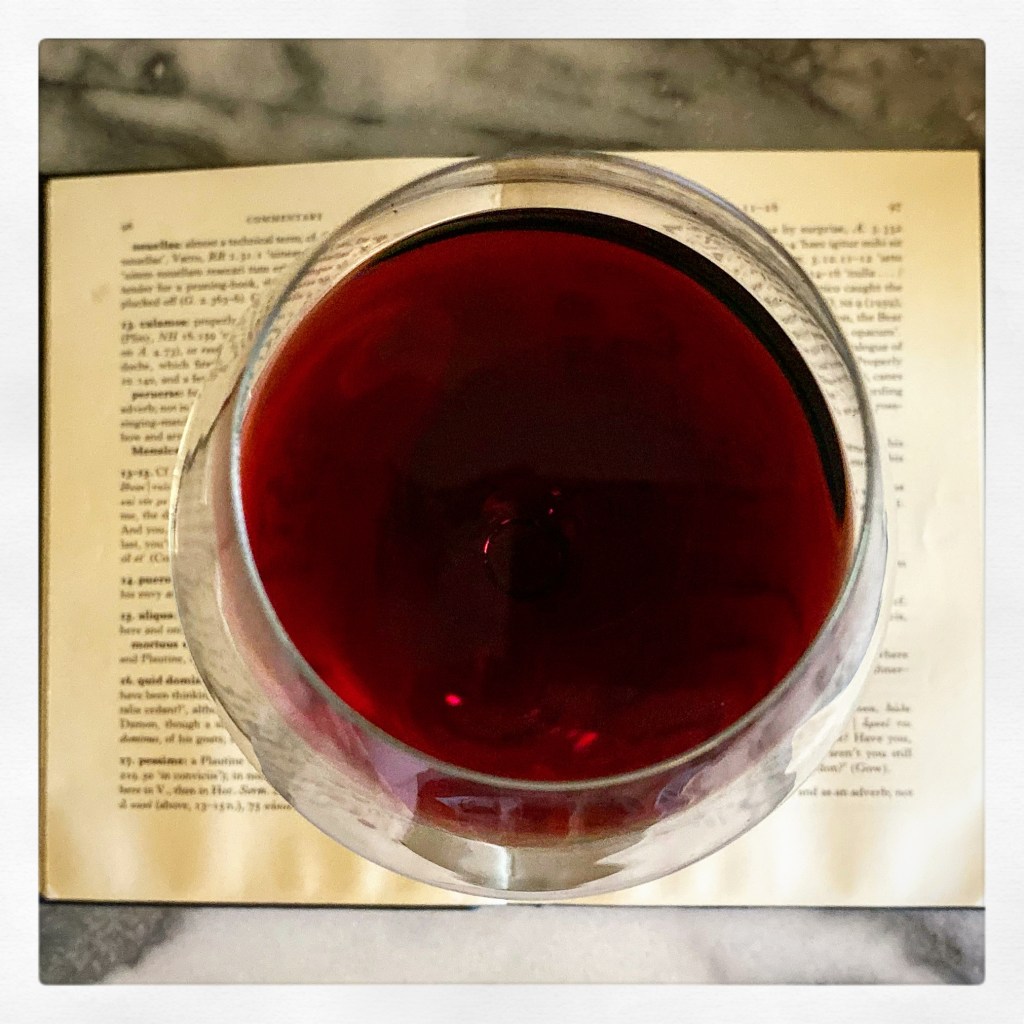
Notes: bright, playful, bold, herbaceous, charming, and surprisingly versatile

Elissa’s pick: a Verduno Pelaverga like this one

This, friends, is a fun one! Philodemus and Philosophy are like Piemonte and Barolo: a comfortable, familiar pairing to those in the know. But like Langhe with its fan-favorite Nebbiolos, our beloved Gadaran has more to offer than heavy-hitting theory. So when the philosophy weighs on your head and the tannins on your tongue, sip something a little friendlier: a crisp, bright epigram of a wine with a flirtatious, cherry-red hue.
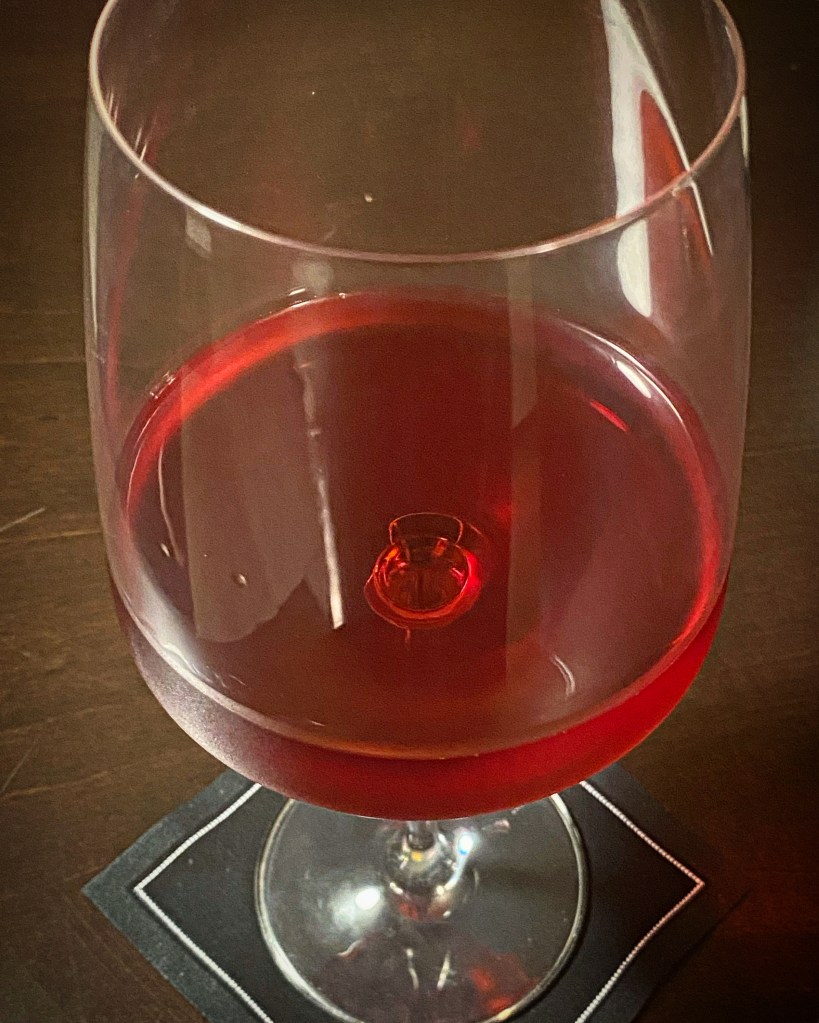
Like Philodemus, Pelaverga is one of our more esoteric picks. But both deserve a broader audience than they have enjoyed. The philosopher-poet’s reputation in the scholarly community aligns more with one of the bigger, punchier northern reds: he is challenging and fragmentary, though worth the slog for genuine devotees of Graeco-Roman philosophy and literary theory.
His oft-forgotten love epigrams, however, are eminently legible and dedicated to a roster of women as mobile as a Verdi heroine. Whether it’s one of his four exes named Demo, the sexagenarian Charito, or the iconic Xanthippe, there is a lady for every taste among these poems.
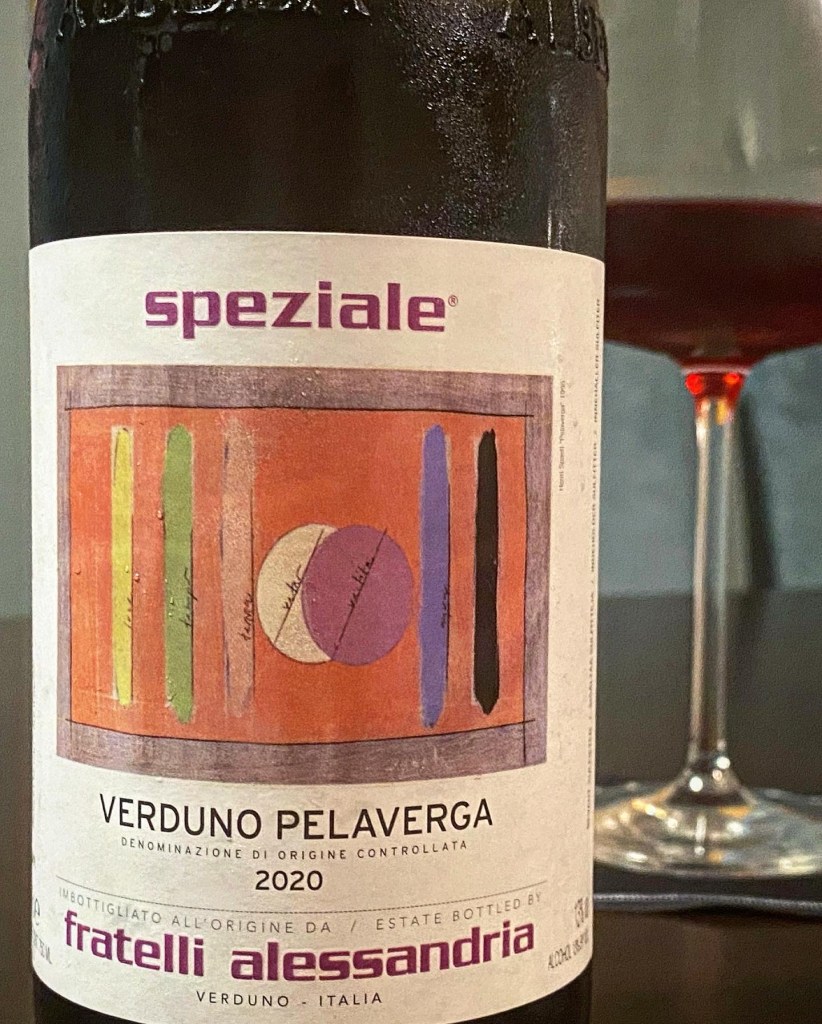
The Verduno Pelavergas, too, hold appeal for many palates. With refreshing acidity and just enough body and tannin to keep things interesting, a typical example carries notes from fresh strawberry and florals to white pepper. More flirtatious than sexy, this wine combines the easy-drinking approachability of a Provençal rosé with the complexity and clout of a mid- to upper-tier Beaujolais.

ὁσσάκι Κυδίλλης ὑποκόλπιος, εἴτε κατά᾽ ἦμαρ, / εἴτ᾽ ἀποτολμήσας ἤλυθον ἑσπέριος…

“However often I find myself in Cedilla’s embrace, whether in the daytime or, more presumptuously, in the evening…”

Philodemus, Anth. Gr. 5.25

In sum, this wine and these poems are equally at home at summertime picnics and elegant dinner parties. If you’ve cracked open your Palatine Anthology only to find that your local wine store is not yet stocking Pelaverga, reach for a bottle of the similarly mesmerizing and cheerfully acidic Freisa: you really can’t go wrong. And for those watching the markets (philological and enological), we at Vintellect advise you to keep an eye out for both Philodemus’ epigram’s and Verduno’s cheeky alternative to Nebbiolo — both seem to be on the rise in circles where these things matter. In the meantime, grab a bottle, a book, and a beau and chase that ataraxia like it’s going out of style!
Caesar’s De Bello Gallico

Text: Commentarii de Bello Gallico

Author: Gaius Iulius Caesar

Date: 50s-40s BCE

Language: Latin

Notes: Drinkable, bright, consistent, somewhat self-aggrandizing

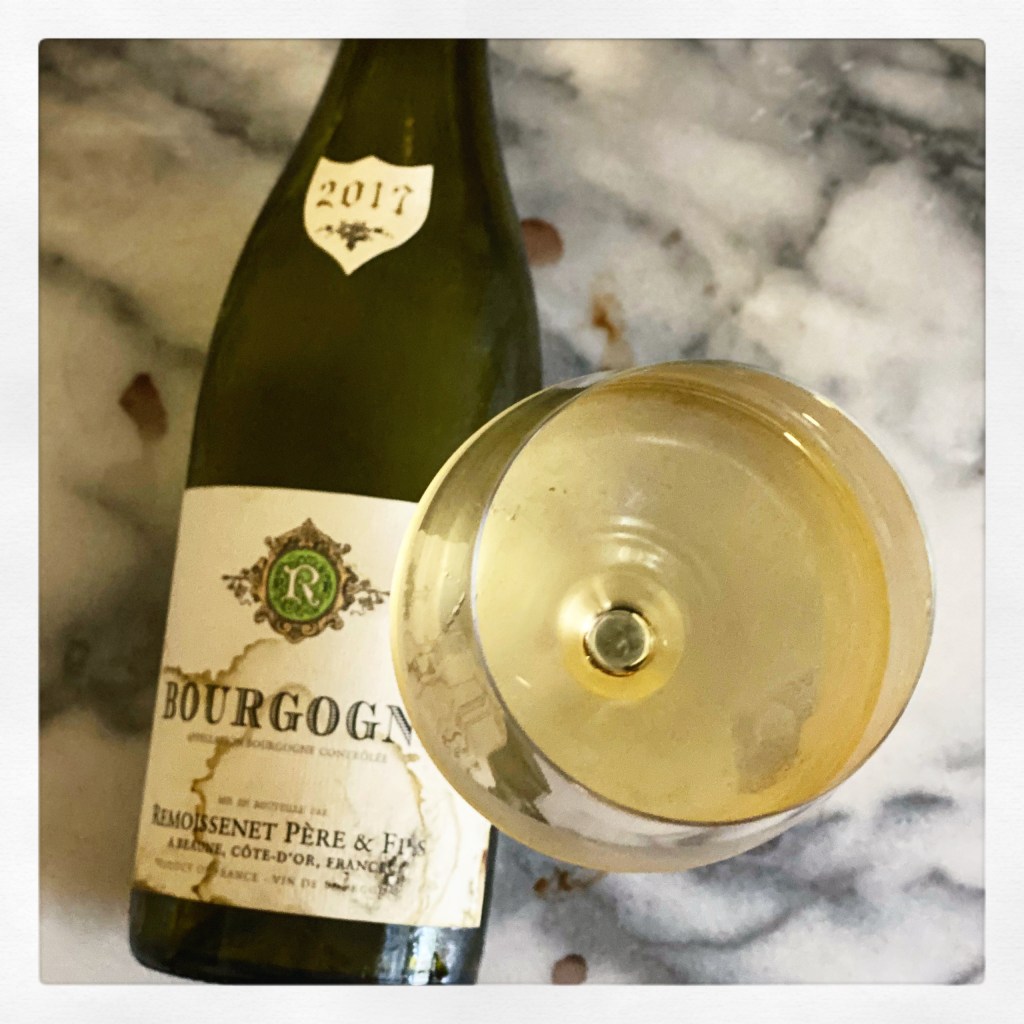
Elissa’s pick: a classic White Burgundy like this one

Gallia est omnis divisa in appellationes CCCLX… So for Julius Caesar’s classic commentarii on his adventures in the area, we knew we’d have our work cut out for us. After a series of skirmishes in Alsace and Languedoc, we settled on the perfect pairing: Bourgogne Blanc. Depending on your taste, you may think of this as the gold standard interpretation of the world’s most popular white grape OR as little more than chardonnay with a superiority complex. Either way, you’ll definitely have an opinion.

Though some of your better aged bottles can get quite complex, the most traditional and basic Bourgogne Blanc will feature approachable syntax with a good balance of mineral and bright fruit notes. This is a wine for mass appeal and mass consumption. For a truly excellent pairing, be sure to select something relatively young with a bit of a bite that will ravage your palate and flee in some haste. Avoid the oaky woods with their fantastical fauna and stick to the basics: too much high-flying Côte de Beaune will have you marching across the Rubicon and laying claim to someone else’s wine cellar!

Vergil’s Eclogues

Text: Eclogues/Bucolica

Author: Publius Vergilius Maro

Date: early 30s BCE

Language: Latin

Notes: Idyllic but not uncomplicated

This is a big one, so we put a lot of thought into what wine could stand up to, let alone complement, the text that launched the career of one of history’s most celebrated poets. Our answer? Two wines. For these 10 poems built on the best of the Hellenistic Greek tradition and a careful field blend of politics, eroticism, landscape, and myth, the Vintellectual team came up with a pair of unusual, beguiling favorites.


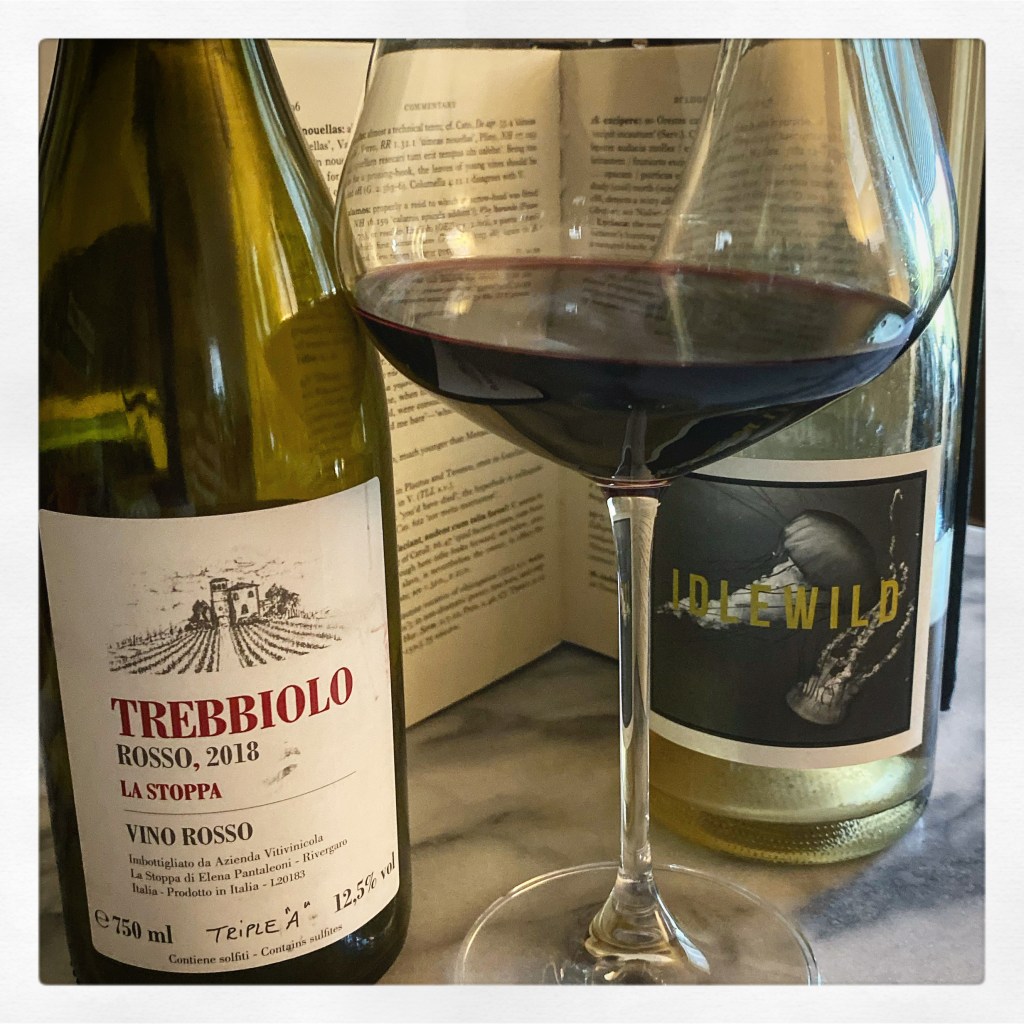
Elissa’s pick: a unique bubbly like Idlewild’s 2018 Flora & Fauna Sparkling Wine ($35/bottle)

Like the Bucolica, this wine goes by a second name: the jellyfish. And like its namesake, it is a creature of mutable form: part pet-nat, part cremant, part méthode-champenoise…ultimately, it’s just plain interesting. The varietal is Muscat Canelli, but in this guise it boasts an unexpected depth of flavor and a rich color. On first sip, it is dry, aromatic and exciting. The soft citrus-floral approach of the traditional Idyllic setting is complicated by the earthy rumble of land confiscations and unrequited love. By the end, a subtle note of wet rock evokes the echo of an Arcadian landscape. And the wine leaves you satisfied, but with more questions than answers.

If you can’t get your hands on this exact bottle, go for an upscale pet-nat or a prosecco col fondo for a similar taste of rustic elegance.


molli paulatim flavescet campus arista

incultisque rubens pendebit sentibus uva

et durae quercus sudabunt roscida mella.

“Presently the field will begin to grow gold with wheat, and the blushing grape will hang from wild brambles, and dewy honey will drip from the sturdy oak” (IV.28-30).


Anna’s pick: La Stoppa Trebbiolo (~$20/bottle)

Land confiscations got you down? Fear not, sharing this bottle with a friend will lift your spirits. On paper, this Barbera-Bonarda blend is nothing special. But with a single sip you’ll understand why this is the bottle that prompted Anna to coin the phrase “wine hug.” Like the Eclogues, this is made from the grapes of young vines (Vergil) sprung from ancient terrain (the Hellenistic pastoral tradition). The stainless steel aging and clay soil create an earthy-but-fresh bouquet, bursting with juicy berry and subtle spice on the palate. The myriad fruit flavors and jewel-red coloring hint at rich, golden-age Italic fecundity but find balance against carefully structured medium-plus tannins. This is one for the ages!


O Meliboee, deus nobis haec otia fecit.

namque erit ille mihi semper deus, illius aram

saepe tener nostris ab ovilibus imbuet agnus.

“O Meliboeus, a god brought us this peaceful state. For he will always be a god to me, and a tender lamb from my sheepfold will often stain his altar,” (I.6-8).


Thucydides’ History

Text: History of the Peloponnesian War

Author: Thucydides

Date: late 5th Century BCE

Language: Greek

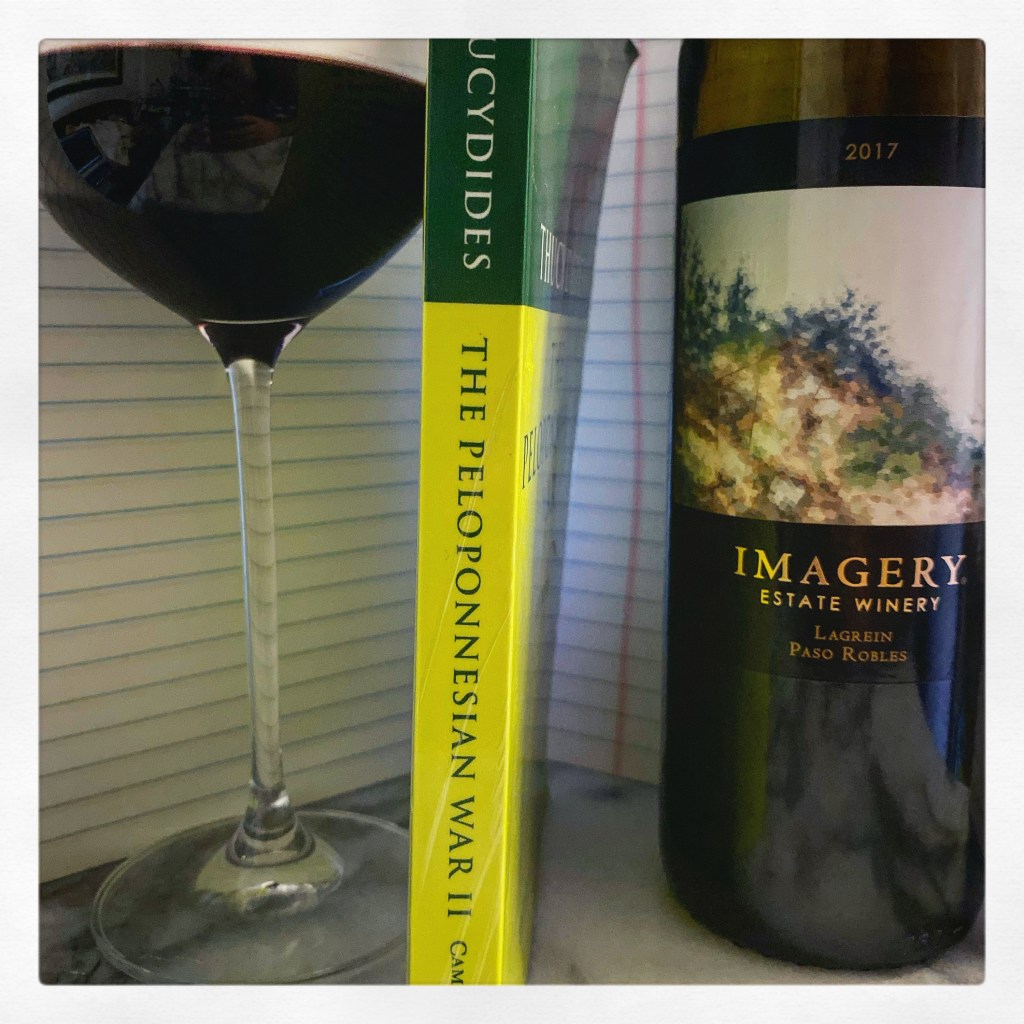
Elissa’s pick: a California Lagrein like this one from Imagery

Notes: full bodied and astringent with complex and idiosyncratic phrasing; funeral wreaths, dark fruits, Schadenfreude.


Among scholars of the Classics, Thucydides is well-recognized for his dense and somewhat intimidating syntax. As with Lagrein, people often have trouble figuring out how to approach (or even pronounce the name of) this titan of Greek historiography. And yet, on the whole, both are well worth the effort: form matches content, and they deliver complex flavors that will leave you thinking about them well after the fact.

Lagrein is most notable for its dark, viscous appearance, not unlike the blood of those fallen during decades of violent war, or the ink spilled across the pages that record their history. Behind the firm tannins such a strong color suggests, you’ll find a somewhat unexpected floral note that blooms and wilts: as good a reminder of the glories of mortality as any Periclean funeral oration.

As the flavor profile unfolds, you’ll start to pick up dark fruits like cherry and plum, finished with a mild astringency and a dark chocolate undertone. The unique, multilayered profile of a good Lagrein mimics the immediacy Thucydides achieves through detailed first-person speeches.


Φιλοκαλοῦμέν τε γὰρ μετ᾿ εὐτελείας καὶ φιλοσοφοῦμεν ἄνευ μαλακίας

“For we cultivate beauty, but with moderation; and we cultivate wisdom, but without weakness,” II.40.1


Because The Peloponnesian War is so structured, we recommend selecting a California Lagrein: the higher acidity and sharper tannins stand up to the blunt realism of the Melian dialogue or the graphic plague description of Book II.

This is, above all, a pairing to be shared. Lagrein is at its most robust shortly after the bottle is opened, and Thucydides too is best taken in carefully modulated doses.


τῇ δίψῃ ἀπαύστῳ ξυνεχόμενοι· καὶ ἐν τῷ ὁμοίῳ καθειστήκει τό τε πλέον καὶ ἔλασσον ποτόν.

“they were afflicted by unceasing thirst, regardless of whether they drank much or little,” II.49.5


So lean into the pleasant, well-dosed discomfort and intrigue of this unconventional pairing. Gather some friends for a hearty meal, a heavy pour, and some serious discussion!

Tibullus’ Elegies

Text: Elegies/Carmina

Author: Tibullus

Date: before 19 BCE

Language: Latin

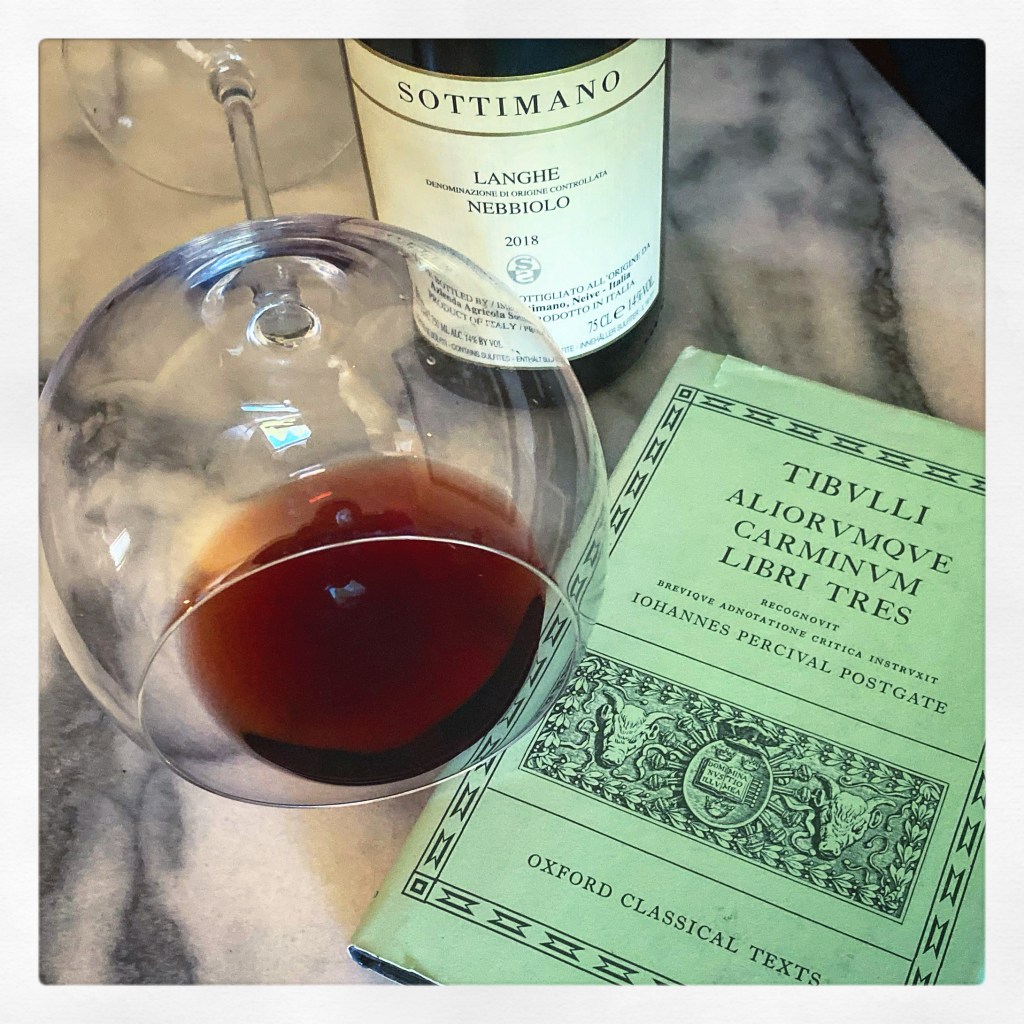
Elissa’s pick: a Langhe Nebbiolo like these from Sottimano or G.D. Vajra

Notes: approachable bouquet, acerbic; clay, leather, red fruits, angst


Rust-red and translucent with a delicate bouquet on approach, Nebbiolo tends to pack a bigger punch than it promises. The varietal has this in common with the somewhat mysterious elegist: the first book eases in with the sort of moralizing gentleman-farmer-type flow we might expect from the likes of Horace, but the illusion is soon shattered by visions of Delia and death. From there on out, our poet remains a bit of a chimaera: flirtatious and fruit-forward, tannic and astringent, raw-edged and leathery.

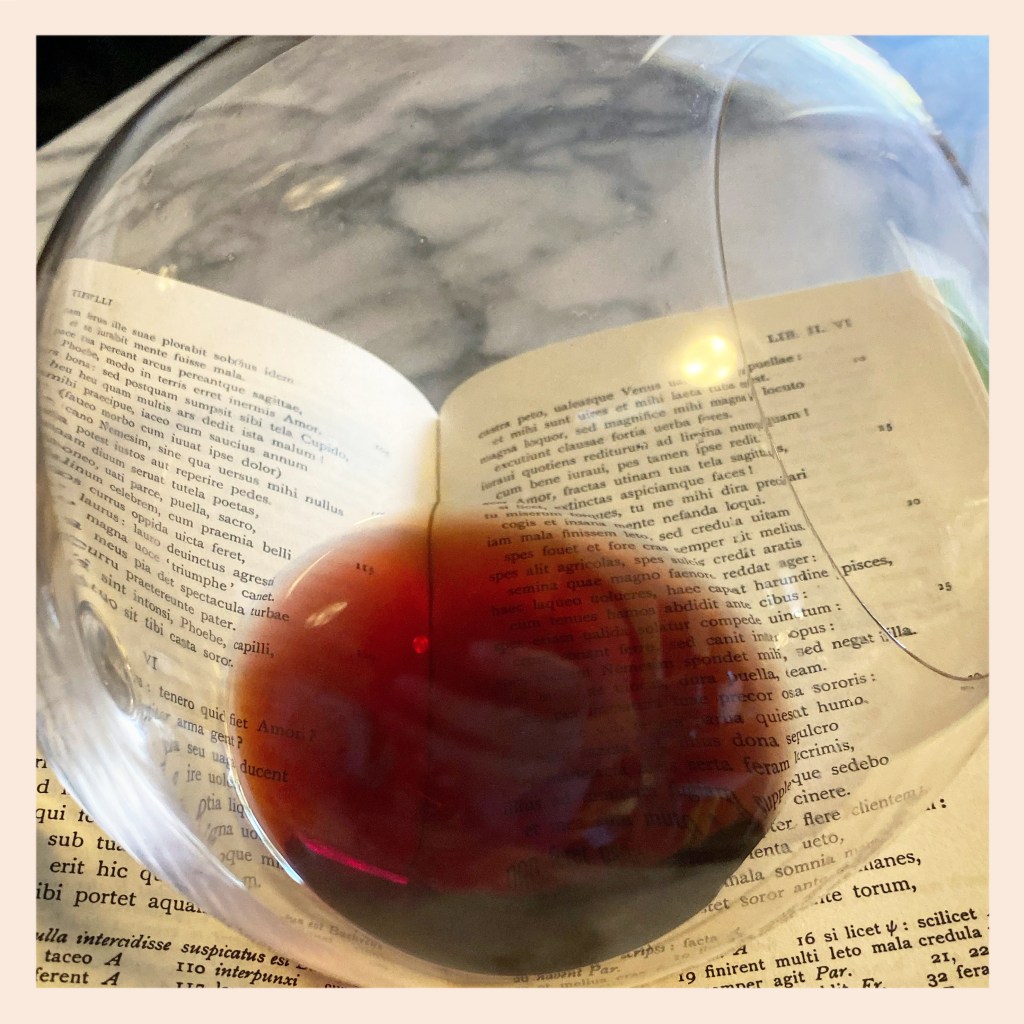
spes facilem Nemesim spondet mihi, sed negat illa.

ei mihi, ne vincas, dura puella, deam.

II.VI.27-8

“Hope reassures me that Nemesis will be kind, but the lady refuses. Ah me! Take care, cruel girl, not to outdo the goddess”

And like Nebbiolo, Tibullus always feels deeply personal. His poems take their character from the terroir of his mistresses’ moods: in turns capricious, angelic, passionate, and cruel. After a glass or two of Delia, you’ll realize you might be in over your head. But trust us, you’ll want to stick around for Nemesis, too.

flebis et arsuro positum me, Delia, lecto,

tristibus et lacrimis oscula mixta dabis.

I.II.97-8

“You’ll cry for me, Delia, when I’m laid on a bed that is to burn. and you’ll give me kisses mixed with tears of sorrow.”

If an approachable pinot is for a stable, healthy relationship, its more tempestuous cousin is for the endless cycle of breakup and makeup. And while you might eventually choose to trade up for one of the finer Barolos, with these Carmina you’ll want to stick with a mid-range, young Langhe Nebbiolo that hits hard. If you’re as troubled as Tibullus, you’ll need that 14+% ABV!